Heat Pump Services: The Ideal Choice for Year-Round Climate Control
Heat pump systems deliver an efficient approach to keeping indoor spaces comfortable year-round. Through the use of an eco-friendly refrigeration process, these units are capable of both heating and cooling spaces while keeping energy consumption to a minimum. Their positive effect on indoor air quality combined with potential energy rebates makes them more attractive than ever. However, understanding their installation and maintenance is essential for maximizing benefits. Which factors are most important for homeowners to evaluate when determining the best heat pump for their specific needs?
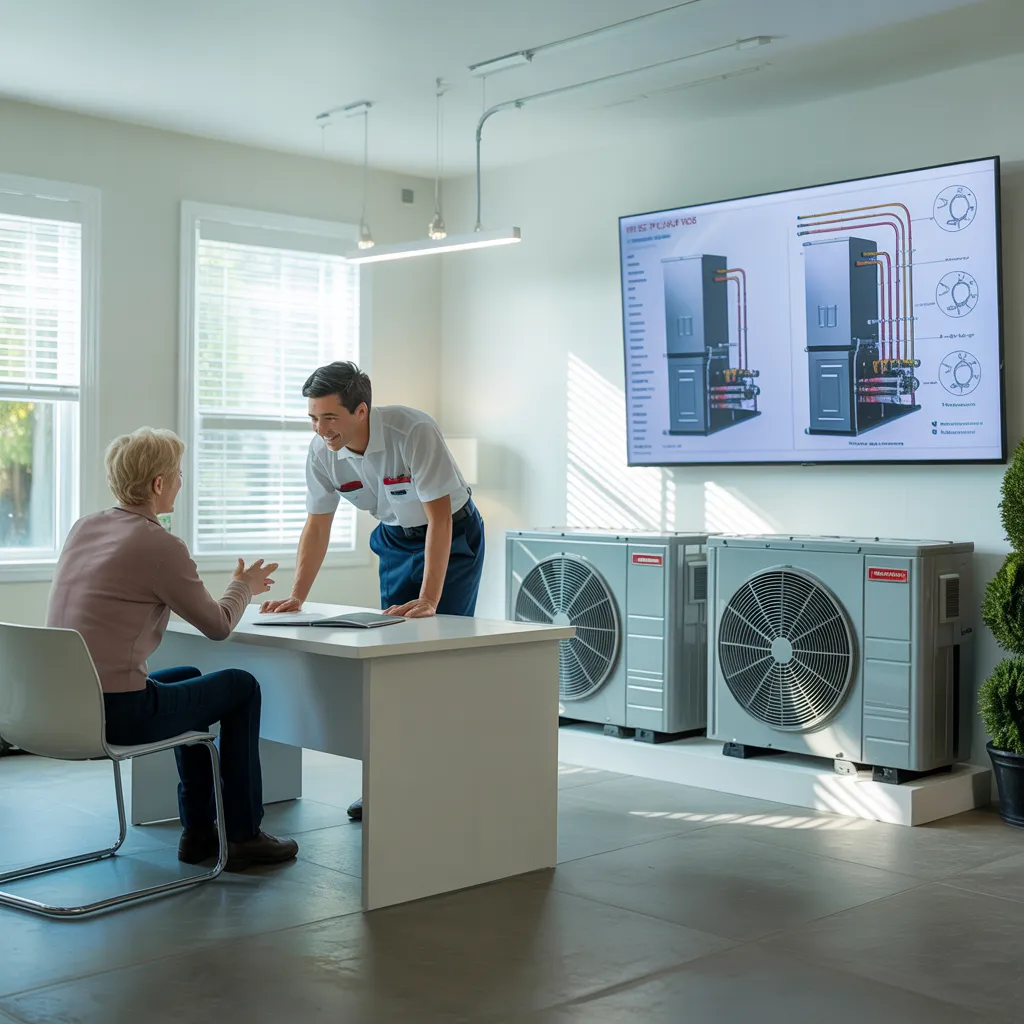
How Heat Pumps Function and Why They Are Significant
Despite the fact that many are unaware of how heat pumps truly function, grasping their operation demonstrates their value in today's heating and cooling solutions. Heat pumps function by transferring heat rather than generating it, making use of a cooling cycle comparable to that in standard air conditioners. In colder months, they draw heat from the outdoor air, regardless of low temperatures, and move it inside. On the other hand, in warmer seasons, they reverse their operation, drawing out indoor heat and dispersing it outside.
This twofold feature makes heat pumps exceptionally flexible, delivering both heating and cooling capabilities. They typically rely on electricity, presenting a greener and more efficient choice over standard heating systems, including furnaces. Through capturing surrounding heat energy, heat pumps simultaneously decrease energy usage and help minimize greenhouse gas emissions, aligning with contemporary environmental goals. Therefore, their operation is essential in promoting sustainable energy practices while enhancing indoor comfort year-round.
Essential Benefits of Heat Pump Services
What advantages do heat pump services offer? First and foremost, they offer superior energy efficiency, markedly reducing utility bills compared to traditional heating and cooling systems. Since they move heat instead of producing it, heat pumps function more sustainably, making them a green and responsible choice. Furthermore, these systems provide flexible climate control, reliably providing warmth in the winter and cooling comfort in the summer.
Scheduled maintenance services secure optimal performance, increasing the longevity of the system and reducing the likelihood of sudden failures. Moreover, heat pumps have the ability to elevate indoor air quality by eliminating contaminants and humidity, creating a healthier living environment.
Moreover, the installation of heat pump systems frequently qualifies homeowners for energy rebates and incentives, making them a financially sound investment. All in all, heat pump services deliver a practical, economical, and environmentally responsible option for comfort throughout the year.
How to Install a Heat Pump
Setting up a heat pump demands thorough evaluation of multiple aspects. Critical factors include identifying an optimal placement area, determining electrical specifications, and optimizing placement for efficiency. Addressing these points guarantees a successful installation and enhanced operation of the heat pump system.
Site Selection Criteria
Choosing the best site for a heat pump installation is critical for enhancing efficiency and performance. The site should be absent of obstacles that could hinder airflow, such as buildings, fences, or trees. Guaranteeing adequate clearance around the unit facilitates maintenance and enhances operational efficiency. Moreover, selecting a site with ideal sun exposure can boost heat absorption during winter months. The ground conditions must also be appropriate; a stable, level surface is vital for the long-term durability of the unit. Additionally, proximity to existing heating systems or ductwork can ease installation and minimize costs. Ultimately, awareness of noise levels is essential, as heat pumps can produce sound, influencing nearby living areas. Thorough site selection plays a key role in the heat pump's long-term performance and durability.
Overview of Electrical Requirements
Comprehending the electrical specifications is crucial for a proper heat pump installation. Adequate electrical preparation ensures the system performs efficiently and safely. First, the main service panel must be evaluated to verify it can support the heat pump's load. Generally, a dedicated circuit is required, often calling for a 240-volt supply, depending on the unit's settings. An properly sized breaker, usually 20 to 60 amps, should be installed to protect against excessive load. Moreover, qualified electricians should be consulted to ensure compliance with regional codes and standards. Adequate grounding and wiring practices are critical for maximum efficiency and safety. Addressing these electrical considerations will support a successful installation and extend the longevity of the heat pump system.
Heat Pump Placement Tips
Appropriate installation of a heat pump considerably influences its efficiency and performance. To ensure the best performance, it is essential to install the outdoor unit in a well-aerated location, away from obstacles such as fences or bushes. For best results, the unit should be raised to avoid water buildup during heavy rain. Additionally, positioning the indoor unit centrally optimizes airflow and climate management throughout the space. Verify that both units are level to facilitate proper drainage and reduce noise. Take into account local zoning laws and noise restrictions when choosing a suitable location. Lastly, refrain from positioning the heat pump close to windows or vulnerable zones to limit interruptions and improve overall comfort. Adhering to these recommendations will support long-term performance and reliable operation of the heat pump system.
Heat Pump Upkeep Tips for Peak Performance
Ensuring optimal operation of a heat pump necessitates consistent care and periodic servicing. Key practices include changing filters on a consistent basis to maintain adequate airflow and scheduling annual professional inspections for detailed examination. Such practices can significantly improve the durability and efficiency of the unit.
Regular Filter Replacement
Routine filter changes are essential for optimizing the performance and longevity of heat pumps. Filters collect dust, allergens, and contaminants, keeping them from moving through the system. As filters grow congested, airflow is impeded, causing greater energy consumption and decreased heating or cooling efficiency. Routinely swapping filters can considerably boost indoor air quality and maintain top-level performance. For best results, filters should be inspected monthly and changed every three months, or more often in heavy-use conditions. This straightforward upkeep routine not only improves system performance but also extends the lifespan of the heat pump. Homeowners should consult their unit's manual for specific filter guidelines, ensuring a well-maintained system that operates smoothly year-round.
Yearly Expert Inspections
Annual professional inspections are essential for guaranteeing peak performance of heat pumps. Such inspections help uncover potential concerns before they develop, sparing homeowners from costly fixes and inefficient functioning. In the course of an inspection, certified technicians examine key components, including refrigerant levels, electrical connections, and overall system performance. They further clean vital parts, which results in better air quality and improved energy efficiency. Arranging these evaluations at least once annually ensures that the heat pump runs efficiently across all seasons, boosting comfort and lowering energy expenses. Consistent upkeep not only extends the service life of the unit but also ensures adherence to warranty conditions. Therefore, annual professional inspections are a wise investment for any heat pump owner seeking reliable performance.
Top Heat Pump Problems and How to Fix Them
While heat pumps are known for their efficiency and versatility, they can encounter various issues that may hinder their performance. A frequent issue is insufficient heating or cooling, typically resulting from clogged filters or obstructed ducts. Routine upkeep, such as replacing filters and cleaning ducts, can address this problem. Another common issue involves strange sounds, which may indicate loose components or failing parts. Locating the origin of these noises and securing or replacing components can resolve the issue.
Additionally, refrigerant leaks may reduce system efficiency. Should low refrigerant levels be detected, it is advisable to contact a certified technician for repairs. Lastly, frequent cycling may suggest a malfunctioning thermostat or oversized system, leading to inefficient operation. Adjusting the thermostat settings or consulting with a professional for system assessment can help restore balance. Tackling these concerns quickly ensures peak performance and increases the longevity of the heat pump.
Comparing Heat Pumps to Traditional HVAC Systems
When comparing HVAC options, the contrasts between heat pumps and traditional HVAC systems become apparent. Heat pumps work by transferring heat rather than producing it, making them more environmentally friendly. By comparison, traditional HVAC systems depend on electric resistance find the information or combustion to create warmth. This fundamental difference enables heat pumps to offer both cooling and heating functions, a versatility that traditional systems lack.
Additionally, heat pumps typically have a extended lifespan and need less upkeep compared to conventional HVAC units. They additionally operate at lower noise levels, supporting a comfortable living environment. That said, conventional systems may excel in extremely cold climates, where heat pumps might find it challenging to extract adequate heat. When all is considered, the selection between heat pumps and conventional heating and cooling systems depends on particular climate conditions, energy efficiency goals, and individual heating and cooling needs, making thorough assessment vital for property owners.
Finding the Perfect Heat Pump for Your Home
How do homeowners go about selecting the most appropriate heat pump for their situation? Selecting the right heat pump involves evaluating several key factors. To begin, homeowners need to evaluate the square footage of their home, as the unit's capacity must align with the home's square footage for maximum efficiency. Additionally, climate plays a vital role; areas that experience harsh weather patterns may need more powerful units.
Energy efficiency ratings, such as the SEER (Seasonal Energy Efficiency Ratio) and HSPF (Heating Seasonal Performance Factor) ratings, should also be taken into account. Higher ratings generally suggest reduced operating costs. Homeowners should also evaluate the kind of heat pump—air-source, geothermal, or ductless—according to their unique installation demands and financial considerations.
In conclusion, working with a qualified HVAC specialist can deliver personalized recommendations and confirm proper installation, in turn improving the home's comfort and overall energy performance across all seasons.
Answers to Your Most Common Questions
Can Heat Pumps Remain Energy-Efficient During Extreme Weather Conditions?
Heat pumps can be energy-efficient in extreme weather conditions, but their performance may decrease in extremely cold temperatures. Correct sizing, professional installation, and additional heating solutions improve overall efficiency, guaranteeing reliable temperature control all year long.
How Long Do Heat Pumps Typically Last?
Heat pumps typically last anywhere from 15 to 20 years, based on how well they are maintained, how frequently they are used, and the surrounding environment. Consistent upkeep and servicing can help extend their longevity, ensuring peak performance throughout their operational years in various climates.
Can Heat Pumps Operate in Cold Climate Conditions?
Absolutely, heat pumps can operate in colder climates, however their efficiency may decline as temperatures fall. Modern models are designed to function effectively even in below-zero weather, delivering heat throughout the year.
What Is the Standard Cost of Installing a Heat Pump?
The average cost of heat pump installation usually falls from $3,000 to $8,000, influenced by factors including system type, home size, and local labor rates. Extra costs can include necessary permits and adjustments to current infrastructure.
Are Special Electrical Setups Required for Heat Pumps?
Indeed, heat pumps commonly require specific electrical configurations to support their electrical needs. This often encompasses individual circuits and proper voltage settings, providing peak performance and safety during functioning while meeting local electrical regulations.